Services
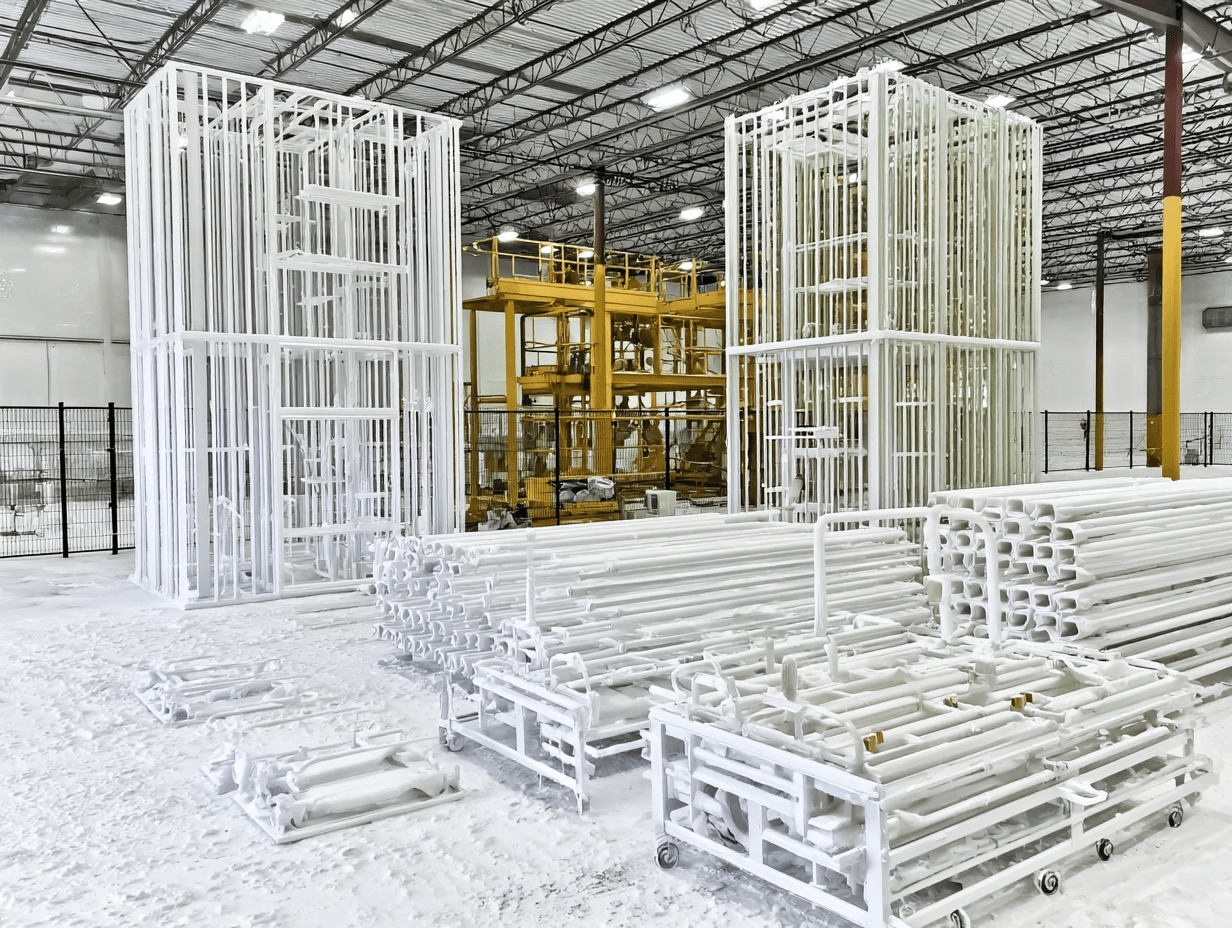
The process uses electrostatically charged powder particles applied to a prepared surface, followed by oven curing. The result is a uniform coating film with strong adhesion compared with many wet-paint workflows.
Materials that can be powder-coated electrostatically
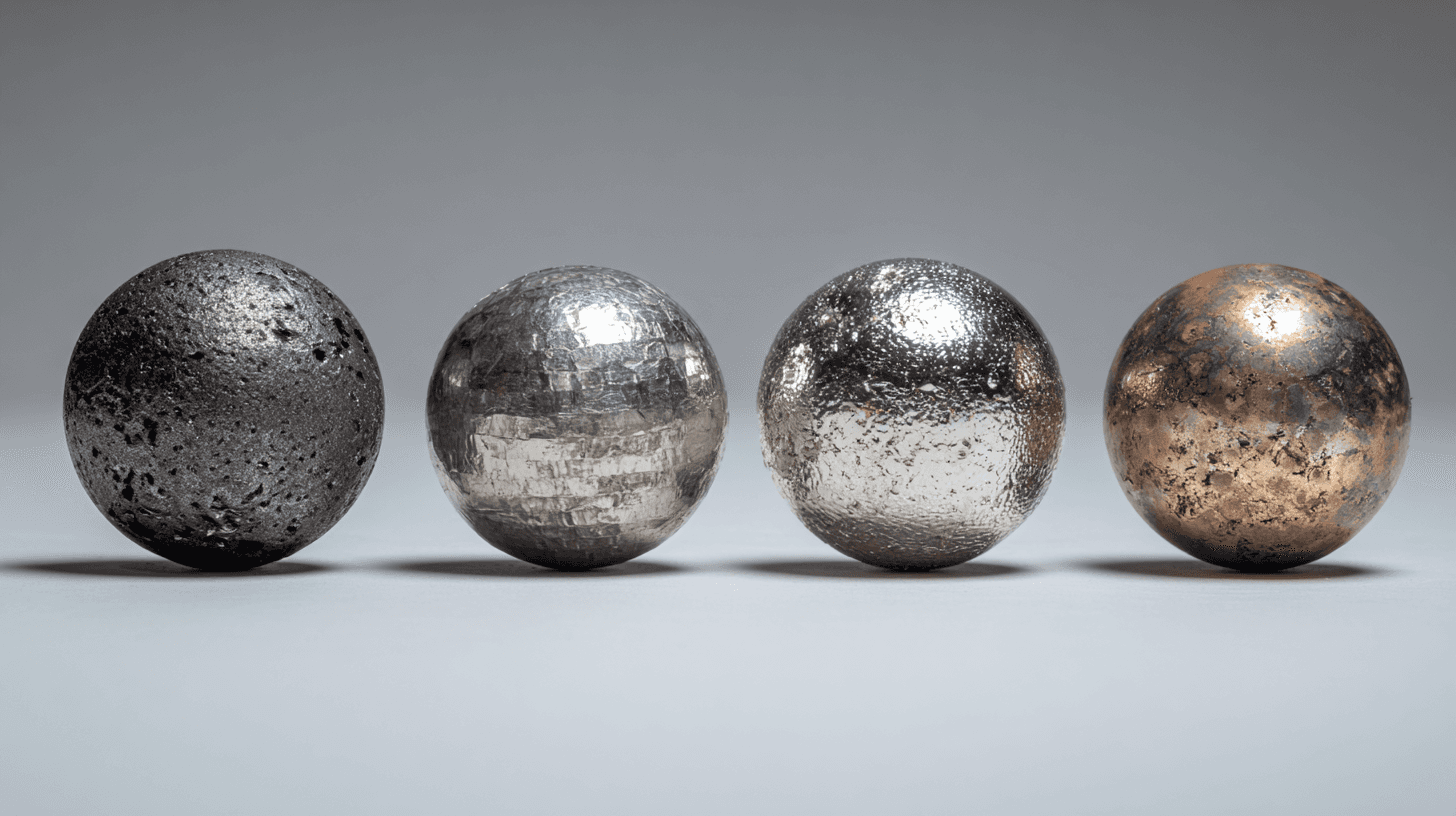
Any conductive metal that withstands roughly 180–200°C can be electrostatically powder-coated.
Depending on the project, we can work with steel, aluminium, stainless steel, zinc-coated parts, cast iron, titanium, various alloys, and other substrates compatible with electrostatic powder coating.
Cleaning and degreasing parts
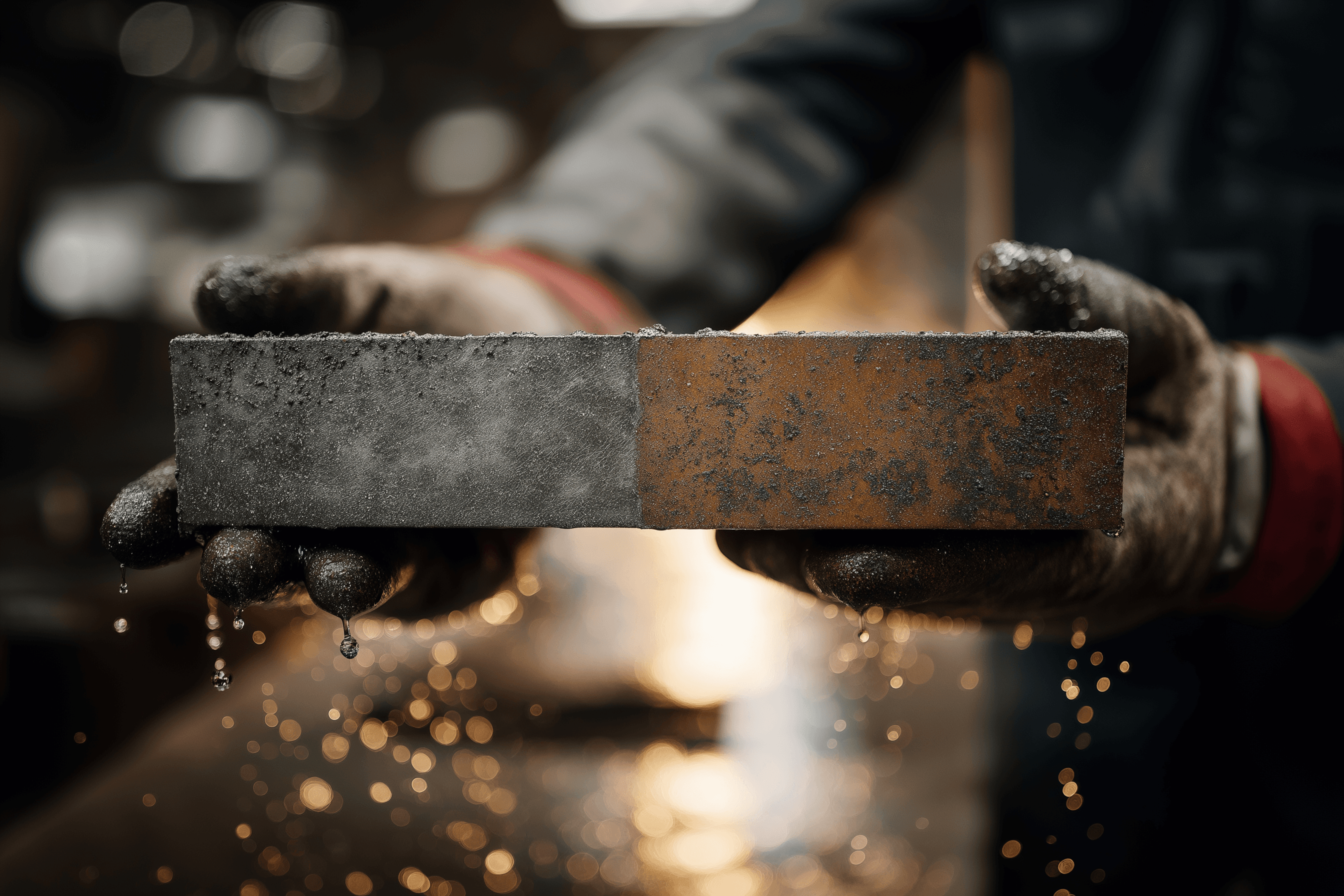
Cleaning and degreasing are the most important stage in the electrostatic coating process.
Finish quality depends largely on surface preparation. That is why we pay close attention to cleaning and degreasing to ensure adhesion and durability.
A surface that is not prepared correctly can lead to:
- weak paint adhesion
- visual defects (flaking, bubbles, spots)
- peeling over time
Correct preparation ensures:
- optimal adhesion
- an even finish
- long-term resistance
Types of contamination to remove during cleaning and degreasing
- oils and greases (from machining)
- dust and dirt
- rust
- oxides
- chemical residues
Methods:
- chemical degreasing (alkaline or acidic solutions)
- solvents
- pressure washing
Rinsing to remove chemical residues with clean or demineralised water is also a very important step.
Stripping / oxide removal where needed for rusty or oxidised parts, as well as thorough drying, are essential before parts enter the oven.
Coating the parts
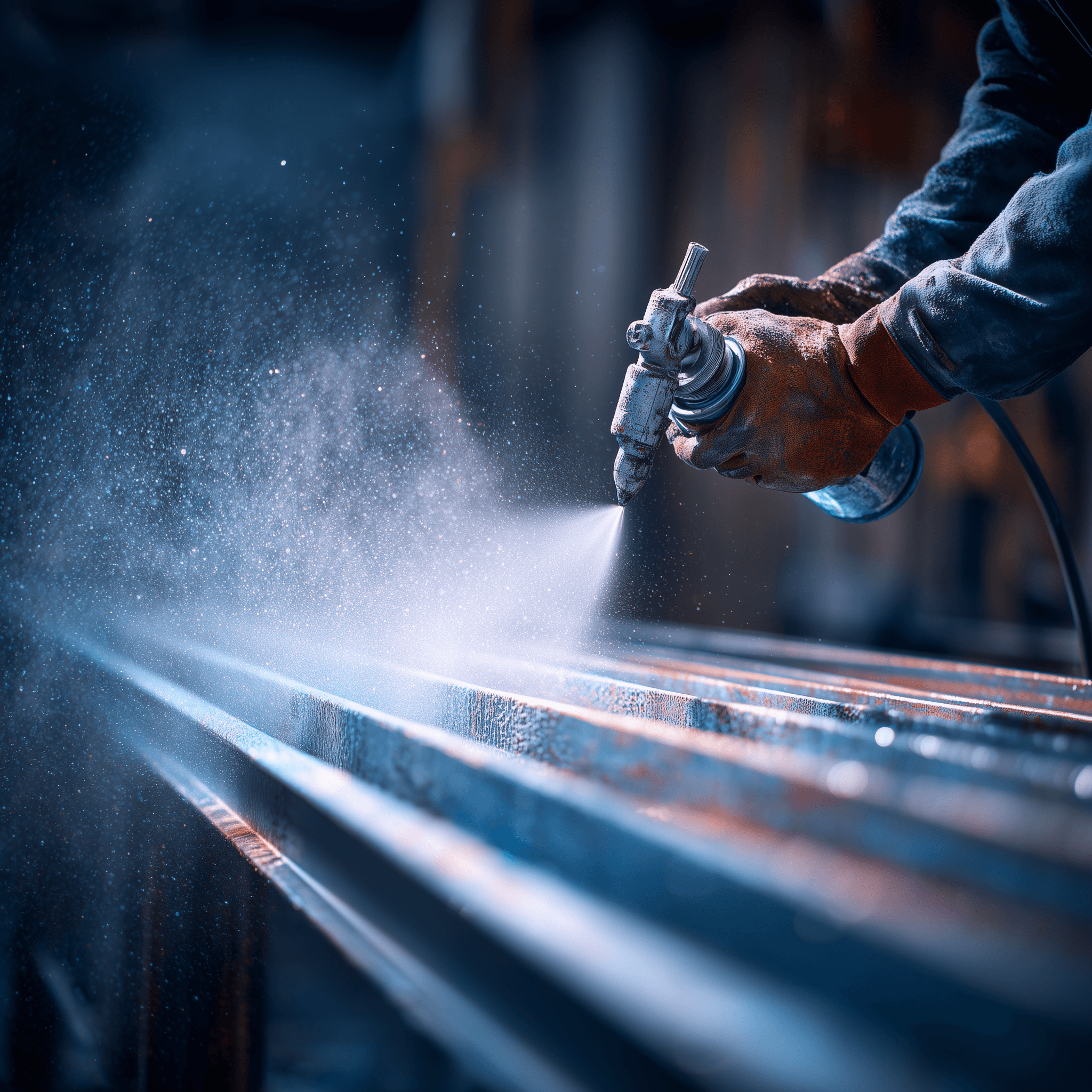
After correct surface preparation, the actual electrostatic coating stage follows.
We apply powder electrostatically for an even film, then cure parts at controlled temperatures for durability and long-term resistance.
Before application
- parts are hung on metal supports (hooks, racks)
- good electrical contact (earth) is required — without proper earthing, powder will not adhere evenly
- we check: part cleanliness, full dryness, absence of contamination
Oven curing, producing a tough, resistant film
- temperature: 160–200°C
- time: 10–20 minutes (after the part reaches temperature)
- powder melts
- flows to an even layer
- polymerises (cross-links and hardens)
Cooling and inspection
- after curing, parts cool naturally
- we check: uniformity, adhesion, appearance
Quality inspection
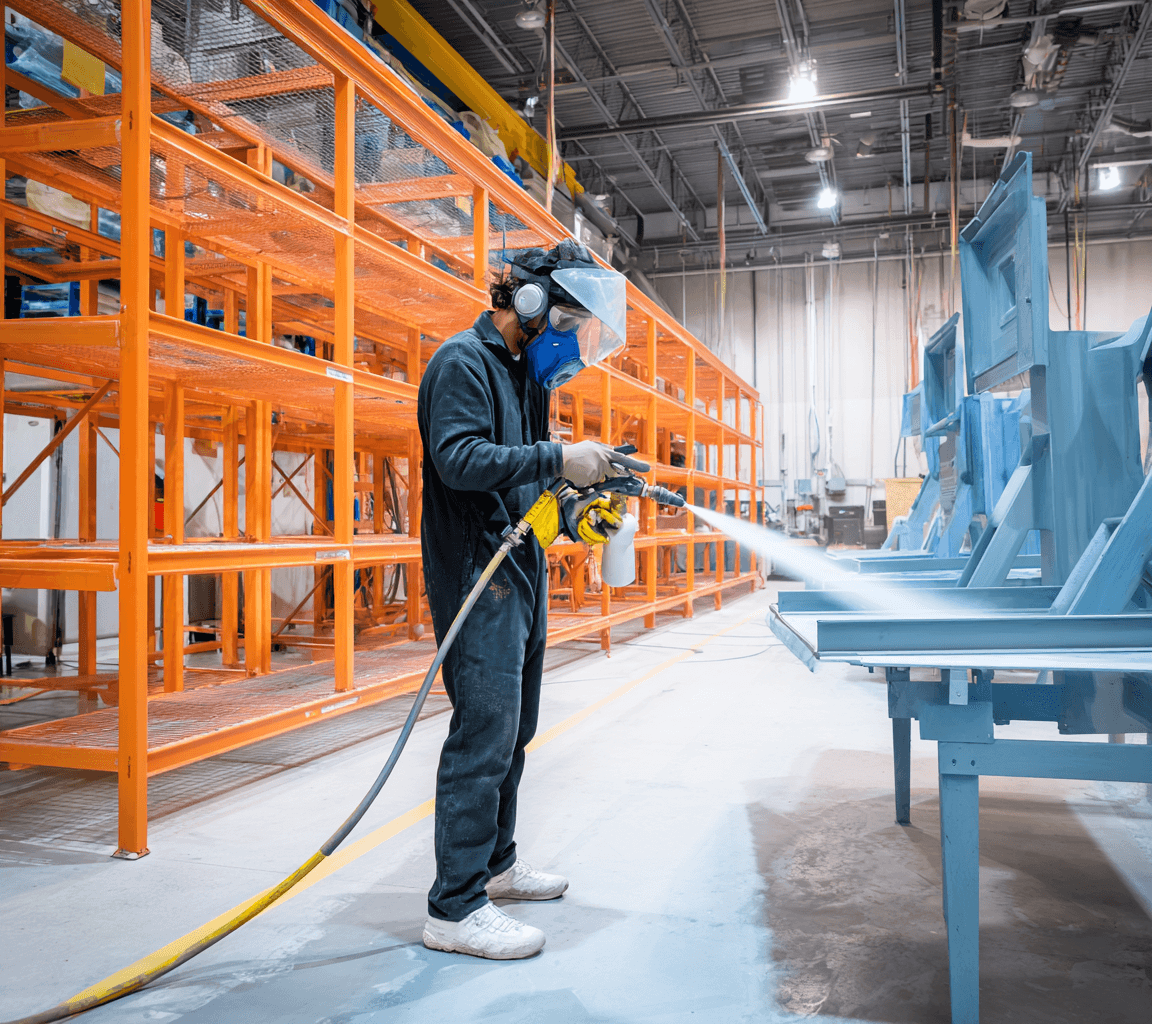
Quality inspection is the final, essential step to confirm that coated parts meet appearance, adhesion, and durability requirements immediately after cooling.

Workflow stages
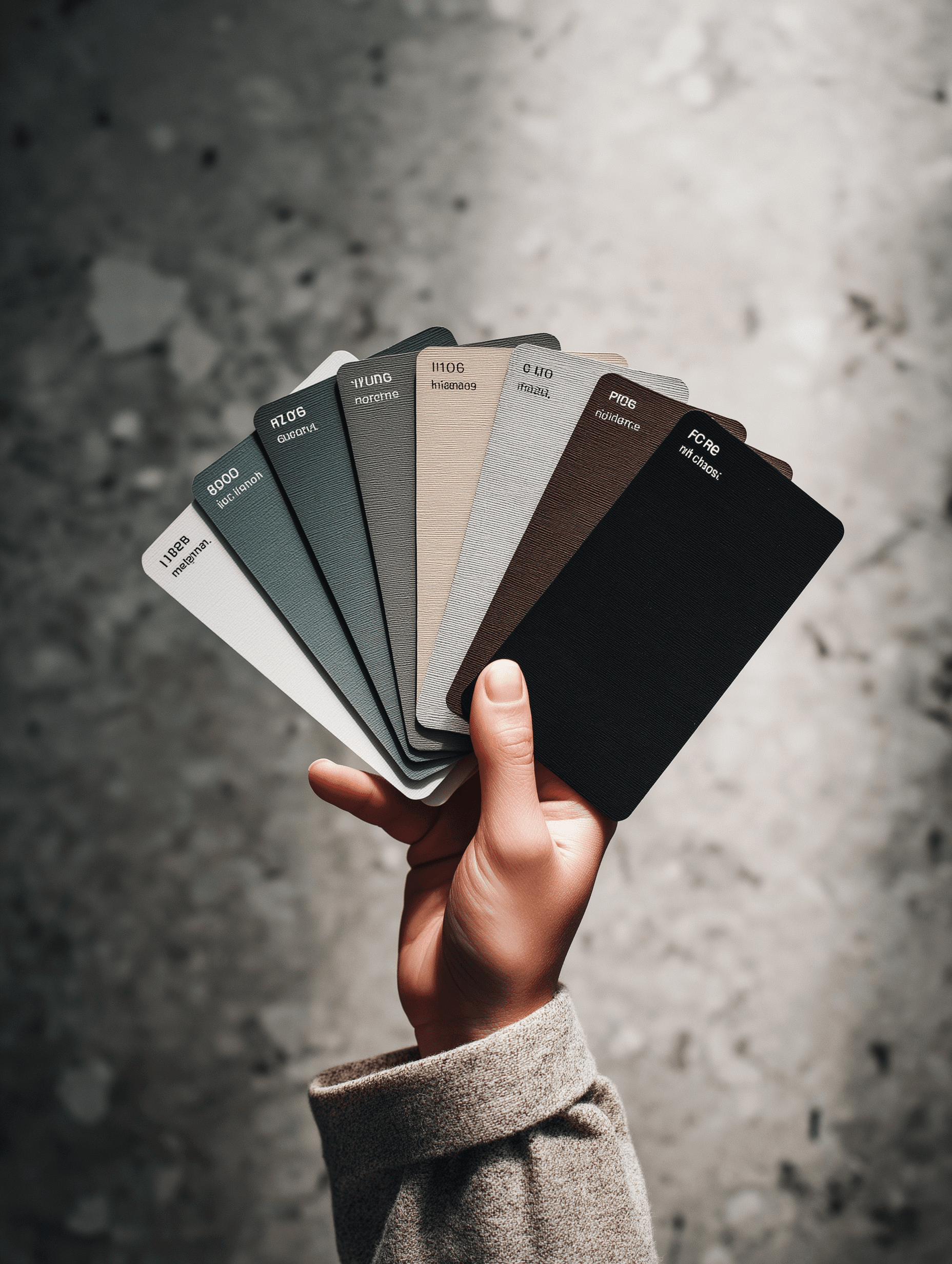
Initial assessment of the part and requirements (colour, finish, thickness)
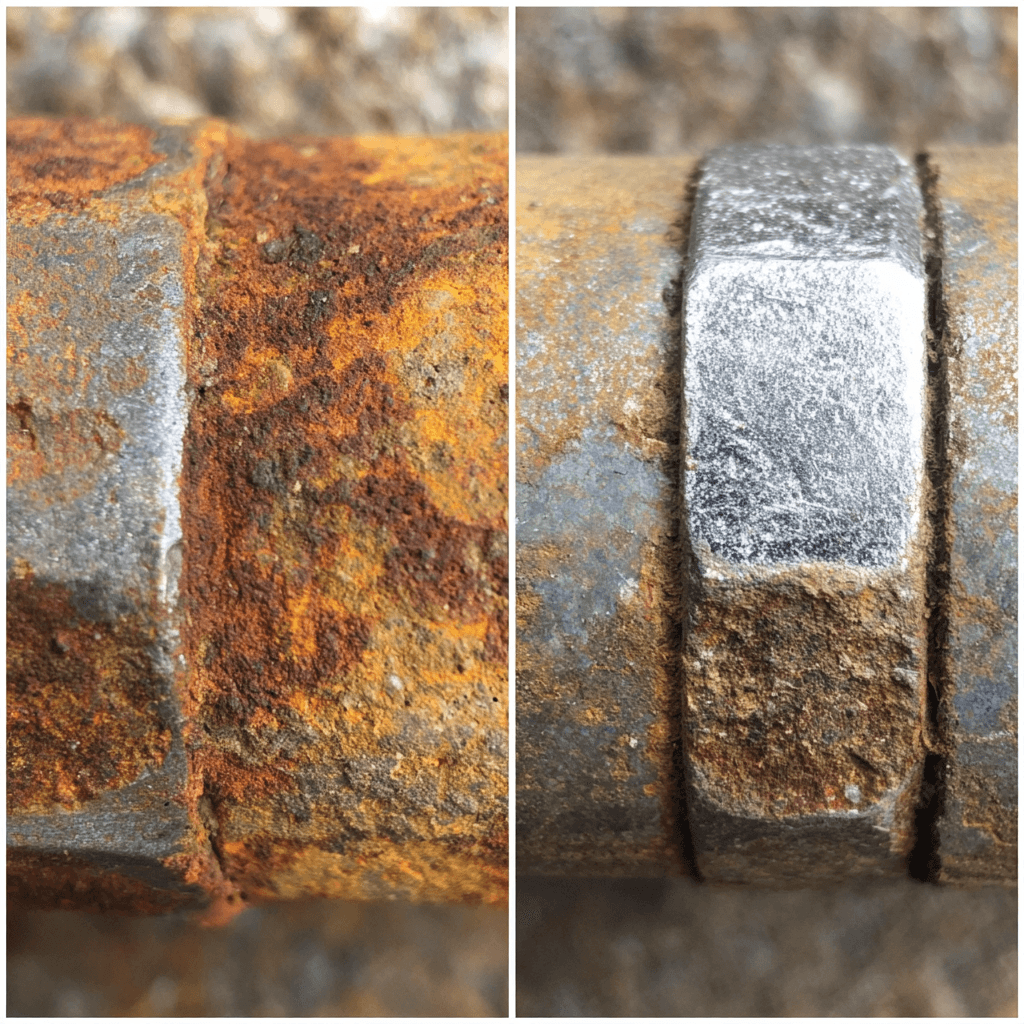
Surface preparation — cleaning and degreasing
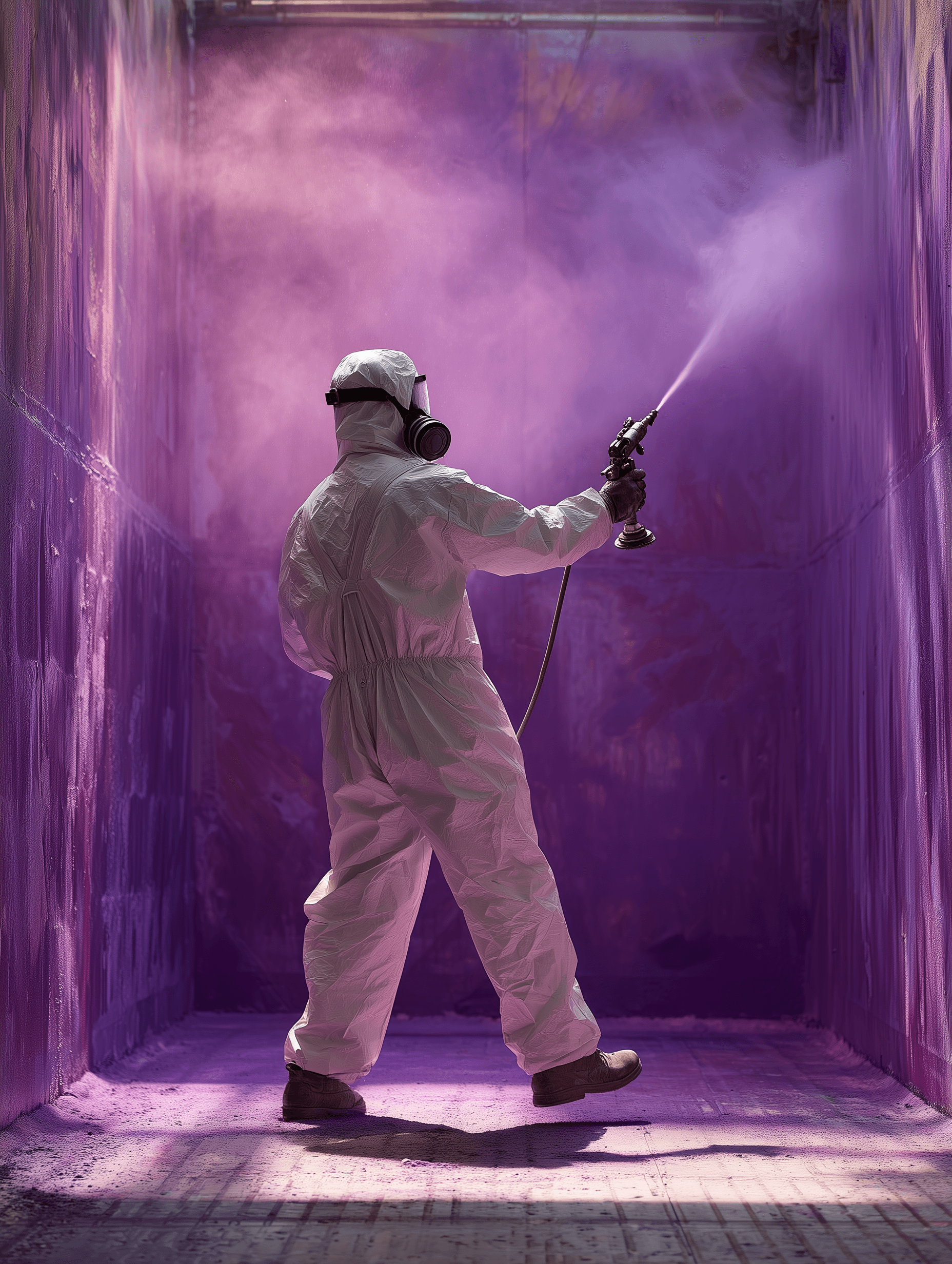
Electrostatic powder application
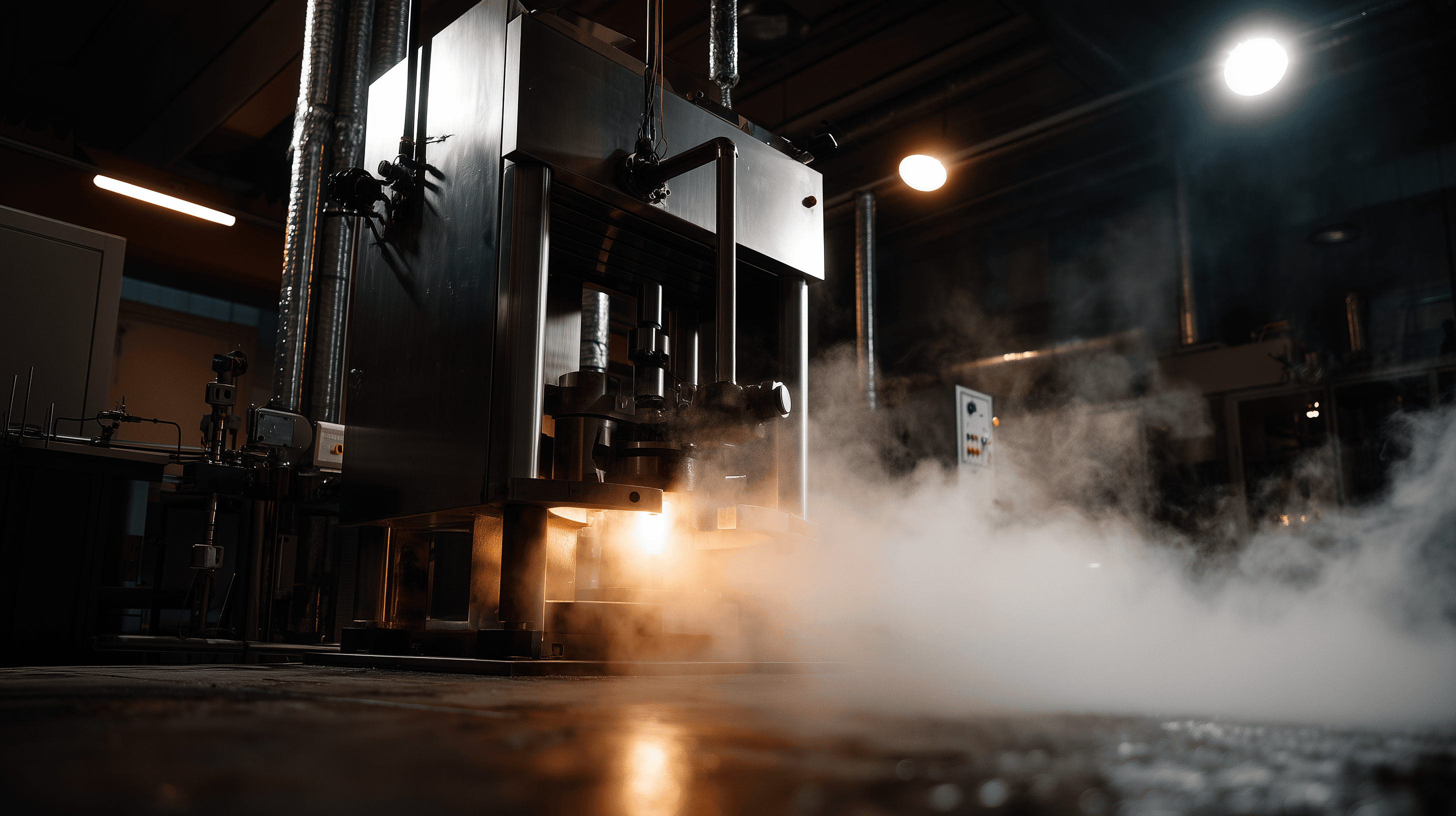
Oven curing at parameters suited to the material

Visual inspection and, where required, checks against the specification
Useful information
What is electrostatic field coating?
Electrostatic field coating is a process where the paint is electrically charged and attracted onto the surface of metal parts, ensuring even, efficient coverage.
What types of materials can be coated?
Most metals can be coated: • steel • aluminium • stainless steel • galvanised steel • cast iron Important: parts must withstand curing temperatures.
What is the maximum part size?
Our oven dimensions are: 4 m length, 1.2 m width, and 2 m height, with a maximum load of 200 kg.
What finish types are available?
We offer a wide range: • matte • gloss • satin • textured • colours from the RAL chart
How long does the coating process take?
Duration depends on: • part size • complexity • job volume Standard work is usually completed quickly, subject to scheduling.
Do parts need to be prepared beforehand?
No. We take care of cleaning and degreasing the parts.
How durable is electrostatic coating?
The applied layer is: • scratch-resistant • corrosion-resistant • long-lasting Suitable for indoor and outdoor use.
Can I visit the facility before we work together?
Yes, of course. We welcome a visit so you can see our working conditions and discuss the details.
How is pricing determined?
Price depends on: • part size • paint type • complexity We offer favourable terms for first-time collaborations.
What are the payment terms?
Standard: 15 days from job completion. Terms can be adjusted depending on volume.
Can I bring a sample or a small part?
Yes — it is recommended to start with a sample to confirm finish and colour.